

Friends,
Happy New Year.
Before we step into January’s topic, I want to point you to something I published over the weekend: How Purpose Evolves from something you Seek to something You Are
It’s a deep dive on finding your calling—and transcending it. If you’re entering 2026 asking, “What am I here for?”, start there. It’s the foundation for everything that follows.
Because once you know who you are and what your purpose is, the next question is how to become it in a moral and ethical way.
January’s Journey: The Paradox of Morality
This month, we’re stepping into the maze of Morality.
Not morality as a set of rules.
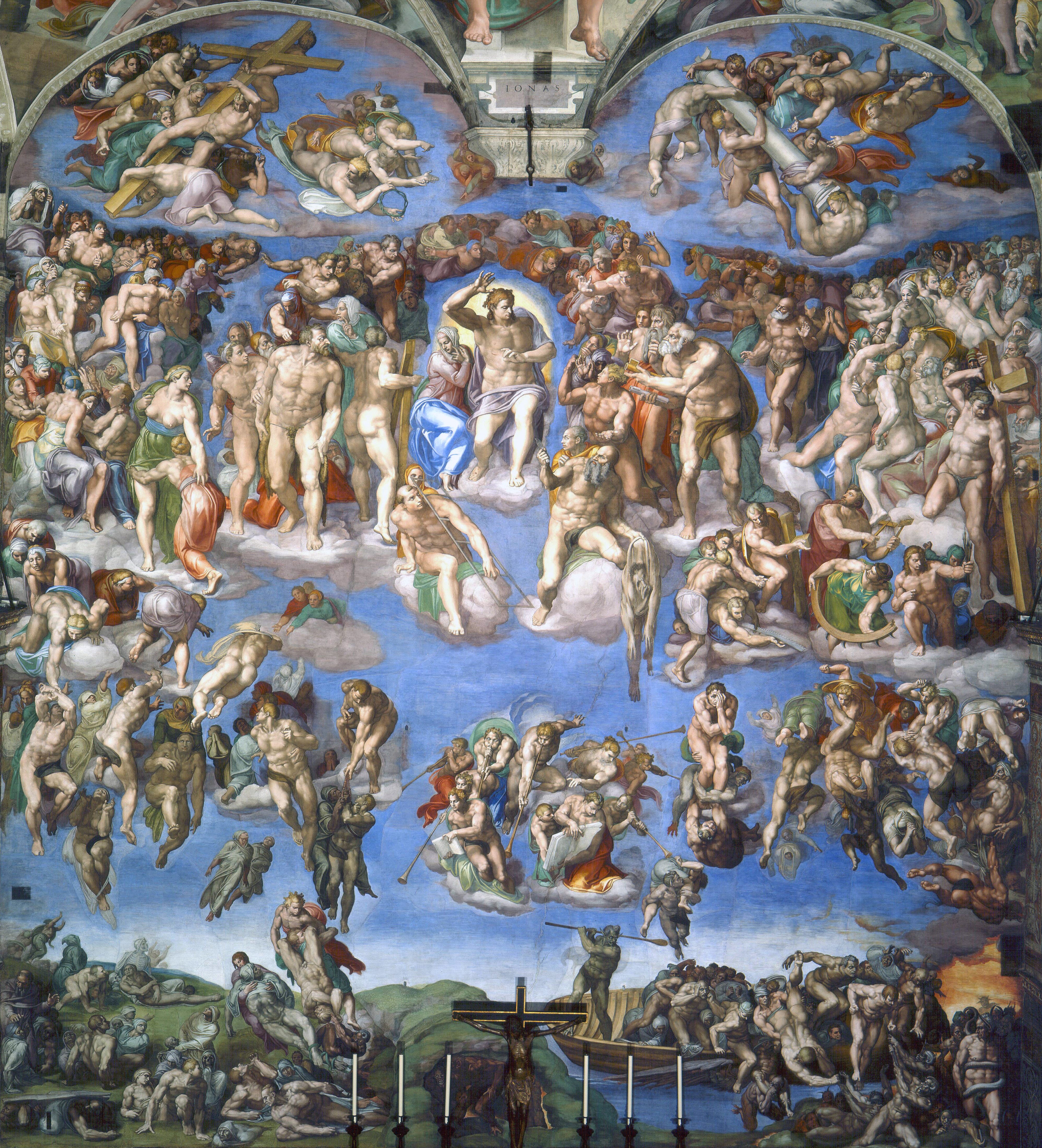
History is filled with people who followed strict moral codes—and often, those codes led to the greatest atrocities. The Crusaders believed they were doing God’s work. The most dangerous people are often those convinced of their own rigid righteousness.
Every philosophical framework—whether based on rules (Deontology), results (Utilitarianism), or virtues—eventually collapses into contradiction.
If there are 10 people on a lifeboat that can only hold 5, how do you decide who stays? If a lie saves a life, is it a sin? If the truth destroys a person, is it a virtue?
They all fail the lifeboat test.
So where does that leave us?
The Saint and the Sinner
We’re not here to argue for a specific system. We’re here to explore the paradox deeply.
We want to understand why moral frameworks fail us when we need them most. Why the “moral person” often looks like a sinner to the outside world. How to act in a world that offers no clean answers—not by following a script, but by transcending it.
Our goal is to move beyond “Right vs. Wrong” and into the deeper question: What does it mean to embody your highest self when the rules break down?
The Arc: From Purpose to Morality
Last month, we discovered that true purpose isn’t a transaction. It isn’t about asking “What can I give to the world?” as that implies you are separate from it.
True purpose is more like a bird singing. The bird doesn’t sing to give you a gift; it sings because it is a bird. It sings out of the overflow of its own existence.
But this brings us to a difficult threshold.
We are not singing birds in empty skies. We are conscious beings in a complex, often tragic world. We are forced to make choices where the “right” answer is impossible to find.
Purpose answered, “Who do I want to become?”
Morality asks, “Given who I want to become, how should I act in the world?”
And sometimes, there is no clean answer.
That’s where we’re headed.
Grateful to be on this journey with you,
Stefan